8 most attractive deserts in Iran for travelers
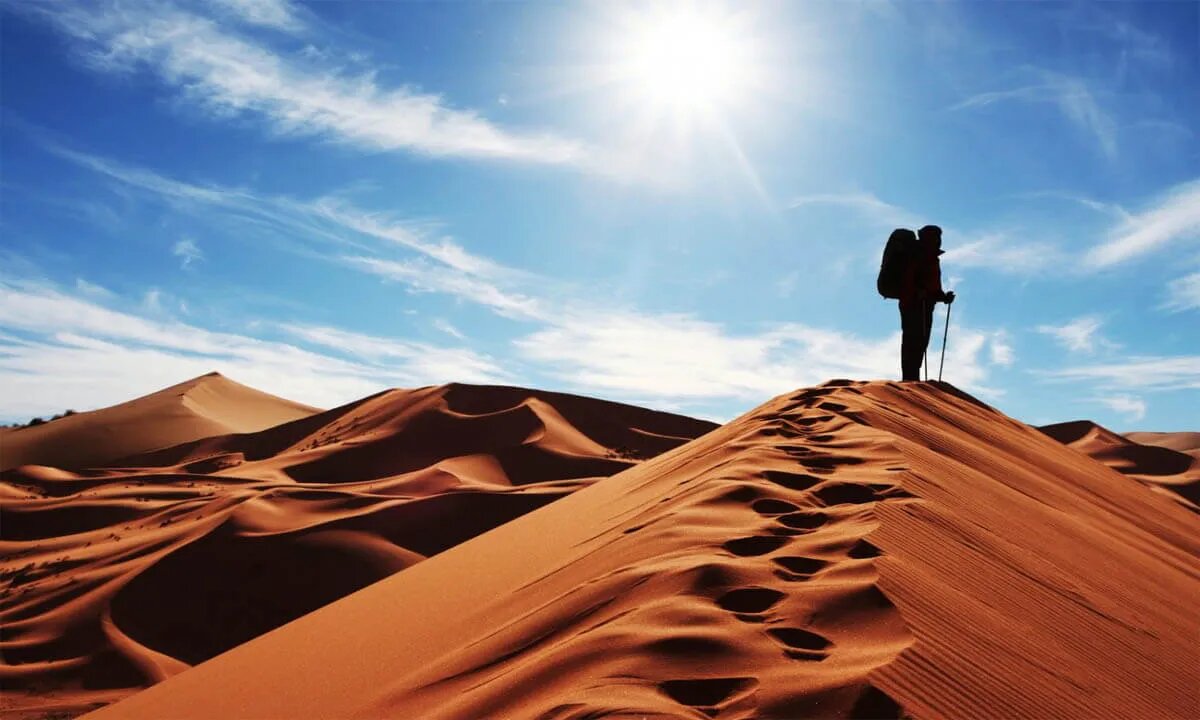
TEHRAN - Iran's deserts offer far more than endless stretches of sand. Their appeal lies in the contrast between silence and vast open landscapes, unusual geological formations, traditional villages, wildlife and some of the country's clearest night skies.
Much of central, eastern and southeastern Iran is covered by arid landscapes, but each desert has its own character. Some are known for towering dunes, others for wildlife, historical sites or the rare sight of desert meeting the sea.
Winter is generally one of the most pleasant times to explore many of Iran's desert regions, when daytime temperatures are milder than in the hot summer months.
Here is a selection of eight destinations worth considering:
Shahdad Desert
The Shahdad Desert in Kerman province is best known for its spectacular Kaluts, which are naturally sculpted ridges and formations shaped over time by wind and water erosion.
The formations create one of the most unusual landscapes in Iran, particularly around sunrise and sunset, when the changing light emphasizes the shapes and shadows of the terrain.
Shahdad is also associated with extremely high temperatures. The region is part of the wider Lut Desert, which has been recognized by UNESCO as a World Heritage site.
For visitors, the Kaluts are the main attraction, but the area also offers opportunities for desert photography, stargazing and guided excursions.
Getting there: Shahdad can be reached from Kerman by road, with the journey passing through the Shahdad area toward the Kaluts.
Maranjab Desert
Located near Aran and Bidgol in Isfahan province, the Maranjab Desert is one of Iran's better-known destinations for desert excursions.
Its combination of sand dunes, open desert landscapes and the historic Maranjab caravanserai makes it particularly popular with visitors. The caravanserai, built during the Safavid period, once served travelers using routes across the central Iranian desert.
Maranjab is also popular for off-road driving and organized desert tours. Visitors who plan to spend the night can find accommodation and organized camps in the wider area.
Getting there: Maranjab is accessible from Aran and Bidgol, north of Kashan.
Mesr Desert
Mesr is among the best-known desert destinations in the country, particularly for travelers looking for sand dunes and a traditional desert atmosphere.
The village of Mesr and its surrounding dunes offer wide views of the desert, especially at sunset. Camel riding, four-wheel-drive excursions, hiking and stargazing are among the activities available in the area.
The region's remote location also means that the night sky can be a major part of the experience, away from the light pollution of large cities.
Getting there: Mesr is located in Isfahan province, about 40 kilometers from Jandaq.
Kavir National Park
Kavir National Park is different from many of Iran's popular desert destinations because its importance is closely linked to wildlife and conservation.
The protected area contains a variety of desert and semi-desert habitats and is home to species including Persian leopard, wild sheep, gazelle and a range of smaller mammals and reptiles. The wider region has also been associated with efforts to conserve the critically endangered Asiatic cheetah.
Salt formations and the vast landscapes of the Kavir are among its other attractions.
Because it is a protected area, access to parts of the park is regulated. Visitors should check local regulations and travel with authorized guides rather than entering sensitive areas independently.
Getting there: The park extends across parts of Semnan and neighboring provinces and can be reached through designated access routes.
Darak Desert
Darak, in Sistan-Baluchestan province, offers something unusual: sand dunes beside the sea.
Located near the Makran coast, the area is known for the striking meeting of desert landscapes and the Gulf of Oman. Golden dunes descend toward the coastline, creating a landscape that is very different from Iran's inland deserts.
Darak remains less developed than some of the country's better-known desert destinations. That relative remoteness is part of its appeal, but it also means travelers should plan carefully and avoid leaving waste behind.
Getting there: Darak is located in the Chabahar region and can be reached by road from the coastal areas around Konarak.
Zardgah
Zardgah, a village in South Khorasan province near Tabas, presents a different side of the Iranian desert.
Unlike the image of a completely barren desert, Zardgah has palm trees, greenery and traditional village architecture. Water availability has helped create a small oasis-like landscape in an otherwise arid region.
The village has also faced population decline, with many former residents leaving because of difficult living conditions. Its remaining traditional structures and agricultural landscape offer visitors a glimpse of rural life in the desert.
Getting there: Zardgah is located near Dihuk, about 180 kilometers from Tabas.
Zamanabad Desert
The Zamanabad area near Shahroud in Semnan province combines desert scenery with historical attractions.
Among the sites associated with the area are the Zamanabad Imamzadeh, Jerjis Nabi shrine, Hesarehbad Castle, Sangi Asb Castle, Hirmi Dam and the remains of the abandoned village of Khar.
This combination makes Zamanabad particularly interesting for travelers who want more than sand dunes. The journey can become a mix of landscape, local history and exploration of old settlements.
Getting there: From Shahroud, travelers can head toward Mayamey and then continue toward Biyarjomand and Zamanabad.
Matinabad desert camp
For travelers who want to experience the desert without organizing a completely independent expedition, Matinabad can be a practical choice.
Located near Natanz in Isfahan province, Matinabad desert camp combines accommodation with organized desert activities. Traditional-style rooms, desert camps and access to the surrounding landscape make it suitable for visitors who prefer a more structured experience.
It is particularly attractive to families and first-time desert travelers who want to experience the landscape while having accommodation and basic facilities nearby.
Getting there: Matinabad is reached from the Kashan–Isfahan road via Badroud and surrounding villages.
AM
Leave a Comment